Lifecycle Marketing & Retention Case Studies
These case studies demonstrate how I approach lifecycle marketing, CRM transformation, customer retention, behavioral personalization, and cross-channel journey design.
The work reflects a consistent operating philosophy: begin with the customer problem, use data to understand the behavior behind it, build an experience that makes the next decision easier, and measure whether the strategy creates incremental business value.

01
The Challenge
Customer data existed across multiple systems, but teams lacked a clear framework for converting that information into actionable lifecycle decisions.
My Approach
I developed a customer segmentation and analytics framework that connected behavioral data, engagement, purchase history, lifecycle stage, and business value.
The strategy was designed to help teams identify high-value audiences, recognize changing customer behavior, prioritize relevant interventions, and measure performance beyond campaign-level engagement.
Strategic Impact
The work created a more structured foundation for personalized lifecycle journeys, customer-value analysis, campaign prioritization, and executive decision-making.
Capabilities Demonstrated
CRM analytics, lifecycle segmentation, customer insights, behavioral data, audience strategy, measurement frameworks, and cross-functional planning.
02
The Challenge
Individual CRM campaigns were performing separate functions, but the overall customer experience lacked a unified lifecycle structure.
My Approach
I organized customer communications around the decisions and needs that define the relationship: onboarding, activation, engagement, repeat purchase, subscription management, churn risk, cancellation, and reactivation.
Rather than treating each communication as an isolated campaign, I developed a journey framework connecting customer state, behavioral signals, channel roles, content, offers, and measurement.
Strategic Impact
The approach transformed disconnected touchpoints into a more coherent customer journey and established a scalable model for lifecycle planning, orchestration, and optimization.
Capabilities Demonstrated
Customer journey mapping, onboarding strategy, subscription retention, churn prevention, winback, journey orchestration, and lifecycle measurement.

03
The Challenge
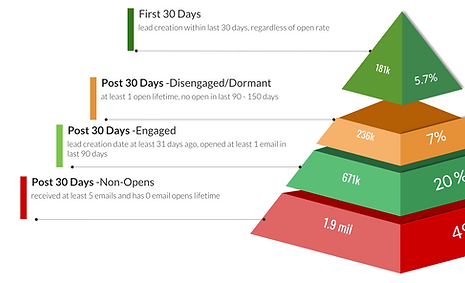
Traditional customer segments were too broad to reflect differences in customer behavior, intent, product interest, engagement, and lifecycle readiness.
My Approach
I developed a personalization framework that used customer data to adapt messaging, content, timing, product recommendations, and calls to action across email, push notifications, and in-app experiences.
The strategy prioritized practical personalization: using data only when it made the experience more relevant, useful, or easier for the customer.
Strategic Impact
The framework enabled more responsive customer journeys while creating a repeatable operating model for segmentation, dynamic content, testing, and measurement.
Capabilities Demonstrated
Behavioral personalization, dynamic content, customer segmentation, cross-channel CRM, marketing automation, experimentation, and customer decisioning.
04
The Challenge
Lifecycle opportunities often exist across multiple teams, systems, and customer moments, making it difficult to determine what should be prioritized and who should own each initiative.
My Approach
I created a lifecycle operating model that connected customer problems, business impact, strategic hypotheses, roadmap prioritization, team ownership, implementation requirements, and measurement.
The framework helped distinguish high-value lifecycle opportunities from low-impact campaign requests and established clearer accountability across CRM, analytics, product, acquisition, creative, operations, and customer experience.
Strategic Impact
The operating model created a more disciplined approach to lifecycle growth, improved roadmap clarity, and helped teams prioritize initiatives based on customer value and measurable business outcomes.
Capabilities Demonstrated
Lifecycle leadership, retention roadmaps, operating-model design, executive prioritization, cross-functional leadership, experimentation, and organizational transformation.